Technology continues to reshape how businesses operate, and one of the most significant advancements in recent years has been the rise of machine vision systems. From manufacturing and logistics to healthcare and automation, vision technology is helping organisations improve efficiency, accuracy, and quality control. As industries increasingly rely on data-driven processes, advanced imaging and inspection systems have become essential tools for modern operations.
Innovative companies such as Fortis Vision support businesses by providing vision solutions that enhance productivity, automate inspections, and improve operational reliability.
What Are Vision Systems?
Vision systems use cameras, sensors, and software to capture and analyse visual information. These systems are designed to detect patterns, inspect products, monitor processes, and support automated decision-making.
Combining Hardware and Software
Modern vision systems typically include cameras, lighting, image-processing software, and artificial intelligence tools working together to analyse visual data in real time.
Supporting Automated Processes
Many industries use machine vision to automate tasks that previously required manual inspection or monitoring.
Improving Accuracy and Consistency
Unlike manual inspections, automated vision systems can operate continuously while maintaining high levels of precision and consistency.
Industries Using Vision Technology
Machine vision technology is now widely used across a range of industries.
Manufacturing and Production
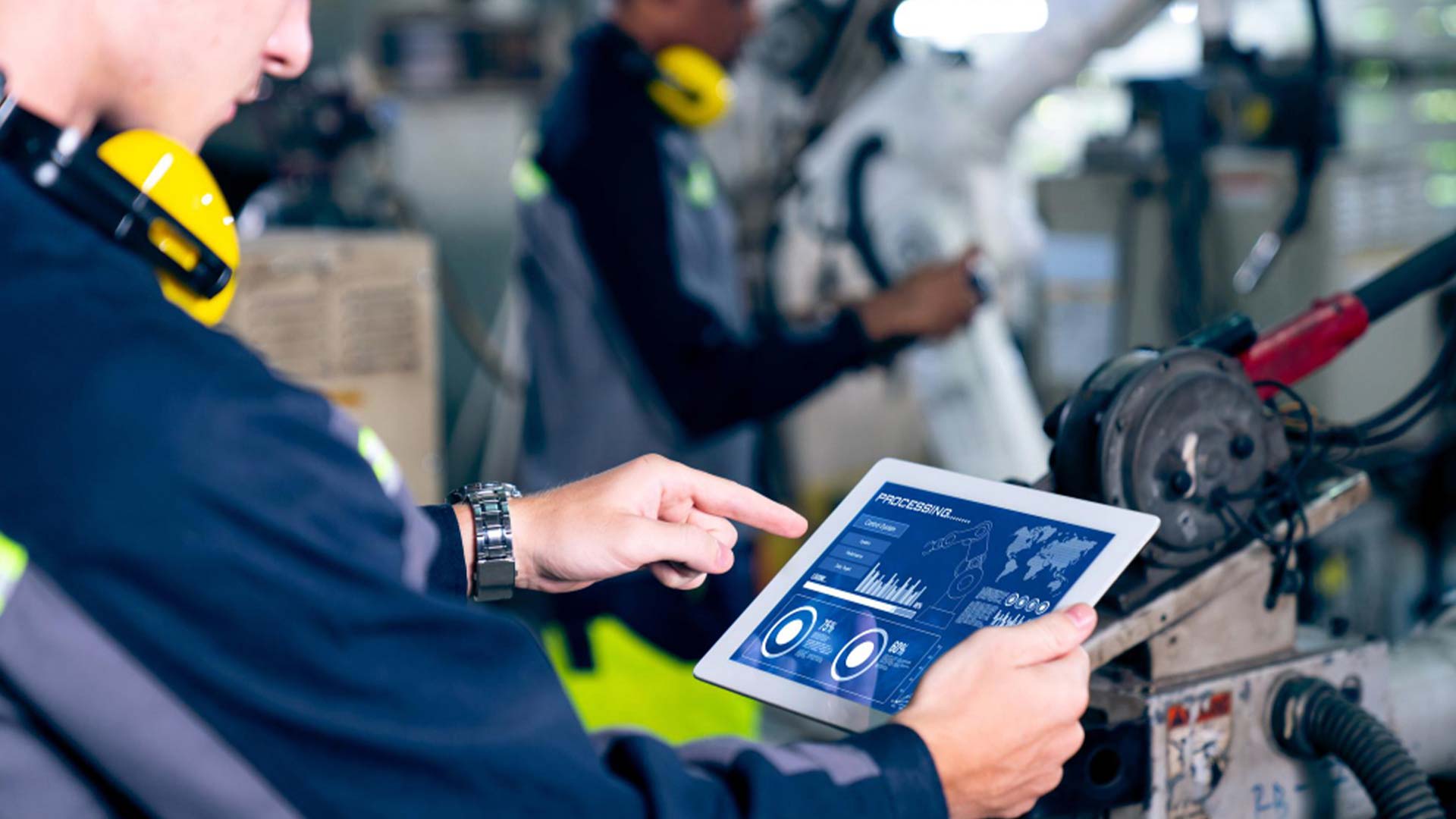
Manufacturers use vision systems to inspect products for defects, measure dimensions, and maintain quality control during production processes.
Logistics and Warehousing
Automated vision systems help identify packages, monitor inventory, and improve sorting efficiency within warehouses and distribution centres.
Healthcare and Medical Technology
Medical imaging and vision systems support diagnostics, laboratory analysis, and surgical precision in healthcare environments.
Automotive and Robotics
Automotive manufacturers rely heavily on machine vision for robotic assembly lines, safety inspections, and autonomous vehicle development.
Benefits of Vision Systems for Businesses
The adoption of vision technology offers several operational advantages.
Increased Efficiency
Automated inspections can process products and information far more quickly than manual methods, helping improve productivity.
Reduced Human Error
Vision systems provide consistent analysis and measurements, reducing the likelihood of mistakes caused by fatigue or oversight.
Improved Product Quality
Real-time inspection allows businesses to identify defects early, helping maintain higher quality standards and reduce waste.
Better Data Collection
Machine vision systems generate valuable operational data that businesses can use to optimise processes and improve decision-making.
The Role of Artificial Intelligence in Vision Systems
Artificial intelligence is becoming increasingly important in modern machine vision technology.
Advanced Pattern Recognition
AI-powered systems can identify complex patterns and subtle defects that may be difficult for traditional systems to detect.
Continuous Learning Capabilities
Some systems can improve over time by learning from new data and adapting to changing conditions.
Enhanced Automation
AI enables more sophisticated automation by allowing systems to make intelligent decisions based on visual information.
Challenges and Considerations
Although vision systems offer many benefits, businesses should carefully plan implementation.
Initial Investment Costs
Advanced vision systems can require significant upfront investment in equipment, software, and integration.
System Integration
Vision technology often needs to work alongside existing machinery and software systems, requiring careful planning and technical expertise.
Ongoing Maintenance and Updates
Regular maintenance, calibration, and software updates help ensure systems continue operating accurately and efficiently.
Future Trends in Vision Technology
Vision systems are expected to become even more advanced as technology evolves.
Smarter Automation
Industries are increasingly combining robotics, AI, and machine vision to create highly automated production environments.
Improved Real-Time Analysis
Faster processing power allows systems to analyse visual information almost instantly.
Wider Industry Adoption
As technology becomes more accessible, smaller businesses are also beginning to adopt machine vision solutions.
FAQs
What is a machine vision system?
A machine vision system uses cameras, sensors, and software to analyse visual information and automate inspection or monitoring tasks.
Which industries benefit most from vision systems?
Manufacturing, healthcare, logistics, automotive, and robotics industries commonly use machine vision technology.
Can vision systems improve product quality?
Yes, automated inspections help detect defects early and maintain more consistent quality standards.
How does AI improve machine vision?
Artificial intelligence allows systems to recognise complex patterns, learn from data, and make more advanced decisions.
Are vision systems suitable for smaller businesses?
As technology becomes more affordable, many smaller businesses are beginning to adopt vision systems for efficiency and quality control.
Conclusion
Vision systems are transforming industries by improving automation, efficiency, and accuracy across a wide range of applications. From manufacturing and logistics to healthcare and robotics, advanced imaging technology helps businesses streamline operations and maintain higher quality standards. As artificial intelligence and automation continue to develop, machine vision is expected to play an even greater role in shaping the future of modern industry.